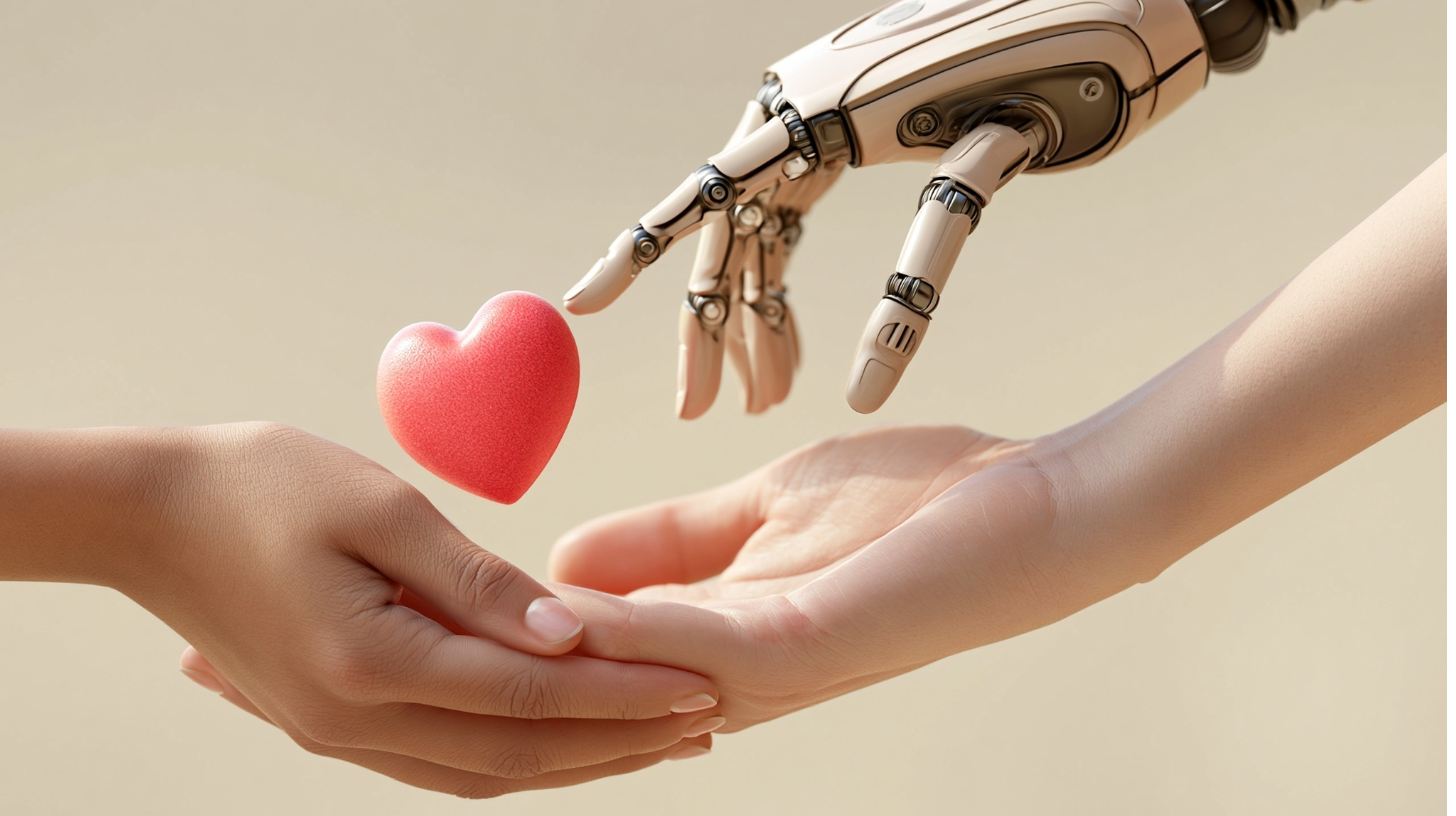
I have been using AI as a tool in all areas of my work and personal life for a while. In this new dynamic, I’ve found myself thinking about something deceptively small: saying “Please” and “Thank you” when I interact with AI. Do the machines care? No. But we should.
IDEO U’s thoughtful article on why it’s important to say Please and Thank you to robots captured this well. These words may seem inconsequential to an algorithm but they’re not inconsequential to us. They’re tiny rituals that shape our behaviours, our values, and even how we design the systems around us.
It’s Not About AI’s Feelings. It’s About Our Humanity
The way we interact with technology reflects who we are. When we design, speak to, and engage with AI, we are also designing, modelling, and practicing the future. Saying “Please” and “Thank you” is a signal to ourselves and others about what we value in our relationships.
Reasons Why Kindness in Our Interactions with AI Matters
1
Politeness Keeps Us in a Collaborative Mindset.
When we say “Please,” we’re not just softening a request, we’re acknowledging that we’re in a dynamic of cooperation, not control. This is essential in the age of Agentic AI, where systems can autonomously reason, plan, and even take initiative.
2
Tone Trains Tomorrow’s Tech.
The data we generate our commands, prompts, tone, and structure is shaping the models of the future. If millions of interactions are impatient, curt, or aggressive, that behaviour becomes normalised in our machines and in our culture. These small acts of courtesy are a way to humanize our future tech.
Final Thought
Saying “Please” and “Thank you” to AI won’t change the algorithm. But it might change us.
In a world where AI is everywhere, being kind is essential. Because the future isn’t only AI-powered. It’s human-shaped.